 简体中文
简体中文
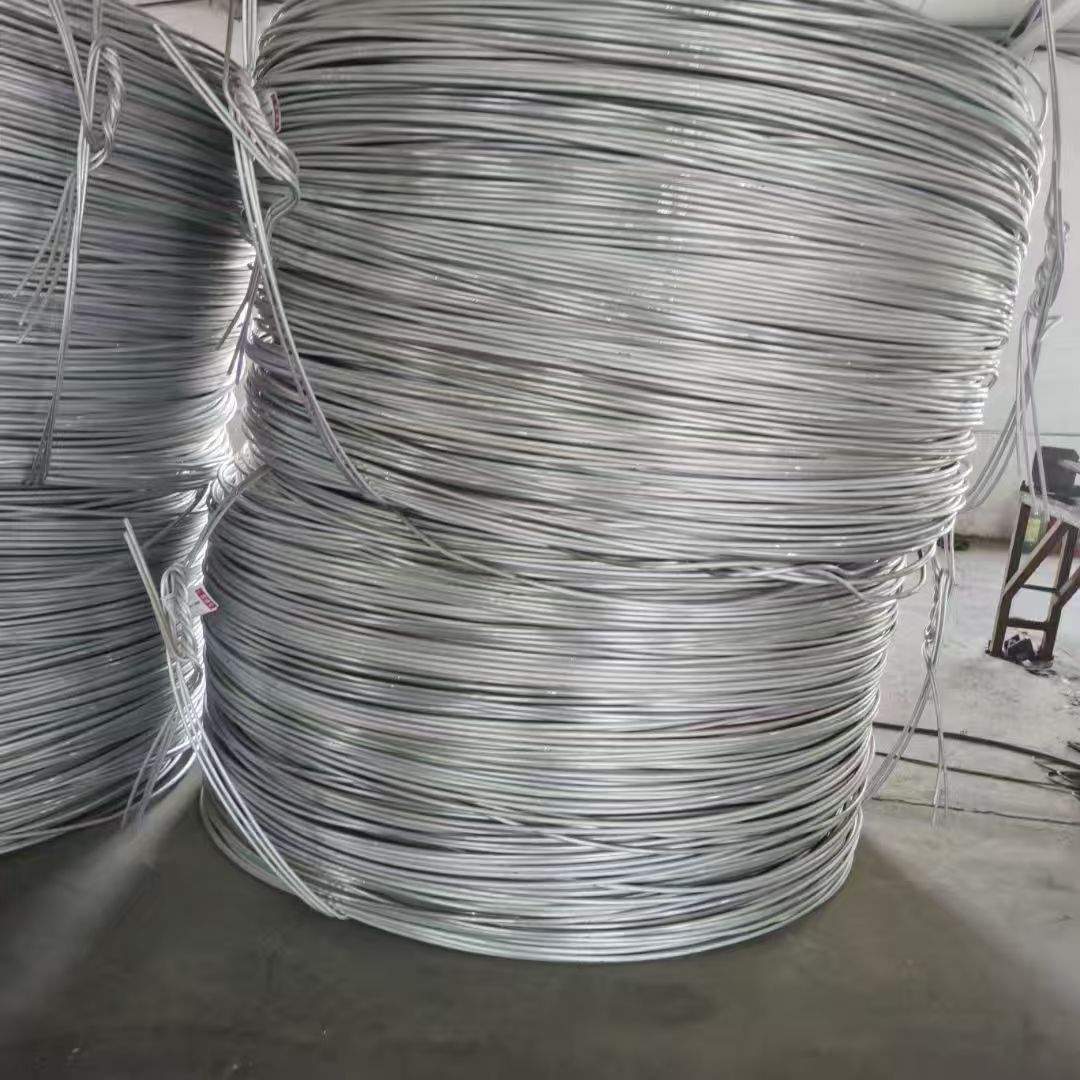
Industrial aluminum rods are primarily manufactured using the continuous casting and rolling process:
1. **Melting**: Aluminum ingots or liquid aluminum arelted.
2. **Casting**: The molten aluminum is continuously cast into ingots with a specific trapezoidal cross-section.
3. **Rolling**: Through multi-pass rollinlls, the ingots are rolled into round rods with diameters typically of 9.5mm or 12mm.
4. **Coiling**: Finally, the rods areiled into spools to facilitate storage and transportation.
The performance of aluminum rods is generally evaluated based on the following metrics (using common electrical round aluminum rods as an example):
* ecifications**: Common sizes include φ9.5mm, φ12mm, and φ15mm, with diameter tolerances controlled within ±5%.
* l Properties**: Tensile strength varies significantly depending on the grade; for instance, pure aluminum rods range from 95-130 MPa, whereas alloy aluminum ros can reach 160-260 MPa.
* **Electrical Conductivity**: Electrical-grade aluminum rods have strict requirements for resistivity, typicallyaround 28.01 nΩ·m at 20°C.
* **Coil Specifications**: Single coil weights range from 1.5 to 3.5 tons, with outpproximately 1.8-2.2 meters.
