 简体中文
简体中文
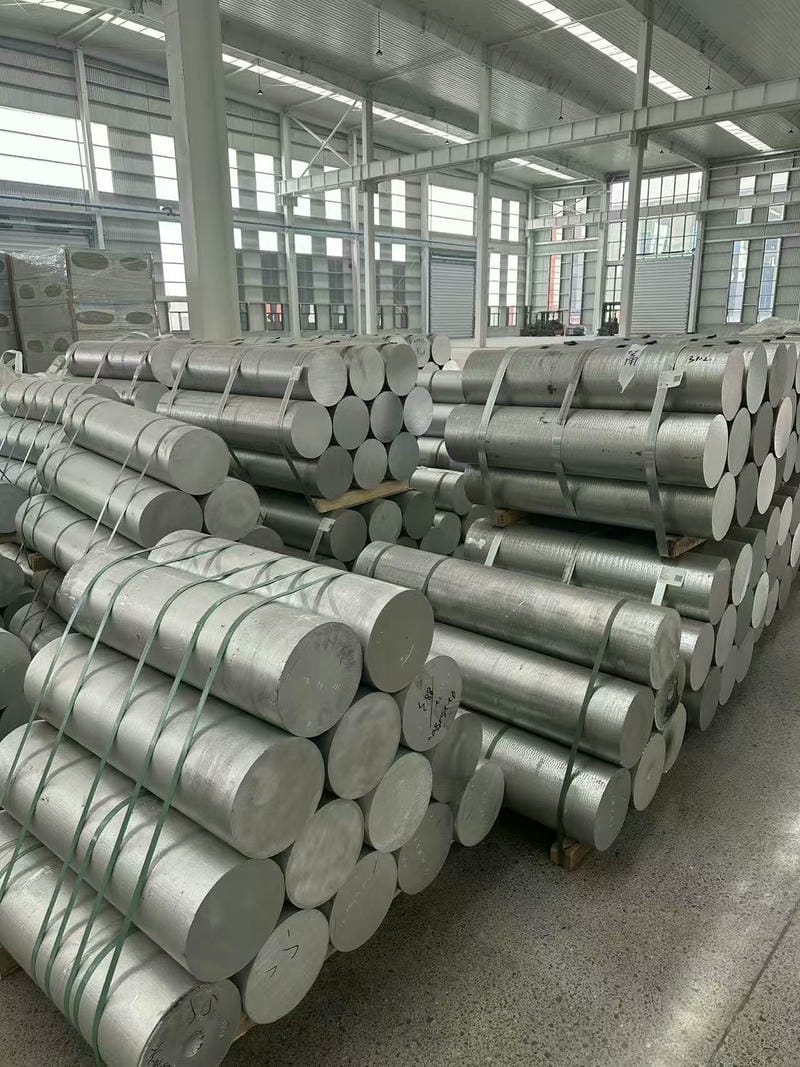
Aluminum rods are alloy materials primarily composed of aluminum, which are processed into rod-shaped products through processes such as melting, hot extrusion, and more. The melting process includes steps such as melting, purification, degassing, and slag removal. Based on the varying metal element contents, aluminum rods can be categorized into 8 major types, with common models including 6061 and 3102
5050 alloy aluminum rod. This product is widely used in rail transit, lightweight automotive, architectural aluminum materials, and other fields. The main production equipment includes continuous casting and rolling production lines, hydrogen analyzers, spectrometers, etc. The production process requires control of parameters such as melt temperature and cooling intensity,
Key patents include aluminum rod cutting machines and high-proportion recycled aluminum preparation technology. The annual production capacity of the recycled aluminum rod project can reach 600,000 tons, with the industrial chain involving electrolytic aluminum, aluminum deep processing, and other links. During the production process, safety hazards such as aluminum leakage from the crystallizer and steel wire rope breakage need to be prevented.
