 简体中文
简体中文
Alloy aluminum ingots, as the basic form of aluminum materials, are indispensable important materials in modern industrial production. It uses pure aluminium and recycled aluminium as raw materials. By adding various elements such as silicon, copper, magnesium and iron, it improves the deficiencies of pure aluminium in castability, chemical properties and physical properties, and thus formulates aluminium alloys with excellent performance. This article will delve deeply into the preparation process, application fields and significance of alloy aluminum ingots to modern industry.
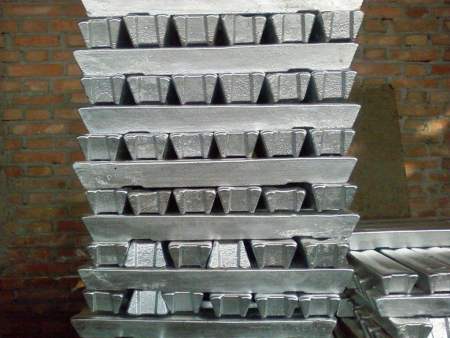
I. Preparation Process of Alloy Aluminum Ingots The preparation process of alloy aluminum ingots is a complex technological flow, involving multiple links such as raw material preparation, smelting, refining, and casting. Raw material preparation: The raw materials mainly include pure aluminum and recycled aluminum. The utilization of recycled aluminium not only helps to save resources but also reduces environmental pollution. When adding alloying elements, precise weighing should be carried out according to the required type of aluminum alloy to ensure that the alloy composition meets the standards or special requirements. Smelting: The smelting process is usually carried out in a gas reverberatory furnace, an oil reverberatory furnace or a resistance heating reverberatory furnace. To shorten the furnace loading time and enhance the melting efficiency, the tilting top-loading circular furnace has been widely adopted in industry. The melting temperature is usually controlled at 700 to 750℃, and rapid analysis instruments are used to monitor the alloy composition in real time, making timely adjustments to ensure product quality. Refining and filtration: After smelting, the metal needs to undergo refining and filtration to remove harmful gases and non-metallic inclusions, thereby enhancing the purity of the metal. The selection of refining agents and the control of refining gases are key steps. Commonly used refining agents include solid refining agents and gas refining agents. Filtration involves passing molten metal through filters such as glass wire mesh or microporous ceramic tubes to remove suspended inclusions. Casting: The casting process typically employs vertical or horizontal water-cooled semi-continuous casting methods. The process parameters vary depending on the alloy composition and the size of the billet. The casting temperature is usually 50 to 110 degrees Celsius higher than the liquidus of the alloy to obtain aluminum alloy ingots. Ii. Application Fields of Alloy Aluminum Ingots Alloy aluminum ingots have been widely used in multiple fields due to their excellent properties such as light weight and corrosion resistance. Aerospace: Aluminum alloy is an important material in the aerospace industry, used to manufacture structural components and shells of aircraft, rockets, spaceships and other aircraft, which can effectively reduce weight and improve flight efficiency. Automobile manufacturing: The application of aluminum alloys in the automotive industry is becoming increasingly widespread, used to manufacture components such as vehicle bodies, engines, and chassis, which helps reduce vehicle weight and improve fuel economy. Building materials: Aluminum alloy has excellent corrosion resistance, plasticity and decorative properties. It is often used to manufacture architectural aluminum profiles, aluminum doors and Windows, aluminum alloy curtain walls, etc., providing lightweight, durable and aesthetically pleasing solutions for modern buildings. Aluminum alloy is often used in electronic products to manufacture components such as casings and heat sinks. Its excellent electrical conductivity and heat dissipation performance help improve the performance and stability of the products. Other fields: In addition, alloy aluminum ingots are widely used in mechanical manufacturing, shipbuilding, power transmission and other fields, providing a solid material foundation for the development of modern industry. Iii. The Significance of Alloy Aluminum Ingots to Modern Industry As an important cornerstone of modern industry, the importance of alloy aluminum ingots is self-evident. Promoting industrial upgrading: The extensive application of alloy aluminum ingots has driven the upgrading and development of related industries, such as aerospace, automotive manufacturing, and building materials, facilitating the coordinated development of the entire industrial chain. Promoting technological innovation: With the continuous improvement of the preparation process of alloy aluminum ingots and the development of new alloys, it has driven the innovation and progress of related technologies, injecting new vitality into the development of modern industry. Resource conservation: The utilization of recycled aluminum not only helps to save natural resources but also reduces energy consumption and environmental pollution, which is in line with the concept of sustainable development. Enhancing economic benefits: The light weight and other characteristics of alloy aluminum ingots enable related products to have a higher price ratio and market competitiveness, creating considerable economic benefits for enterprises. Iv. Conclusion As an important material in modern industry, the preparation process, application fields and significance of alloy aluminum ingots to modern industry cannot be ignored. With the advancement of technology and the expansion of the market, alloy aluminum ingots will play a significant role in more fields and contribute to the development of modern industry. In the future, with the continuous advancement of materials science and the development of new alloys, the application prospects of alloy aluminum ingots will be even broader.
